


Point-of-Use Water Heater Installation and Service in Downey, CA and Surrounding Areas
Downey Plumbing Heating & Air Conditioning installs, repairs, and maintains point-of-use water heaters for homes and businesses in Downey, CA and the surrounding Los Angeles County communities. Our licensed plumbers work under CA License #731172, which you can verify with the Contractors State License Board. We hold a BBB A+ rating and a 4.8-star record across 850+ Yelp reviews, and our team has served Southern California since 1930. Call 562-646-1221 to schedule point-of-use water heater service.
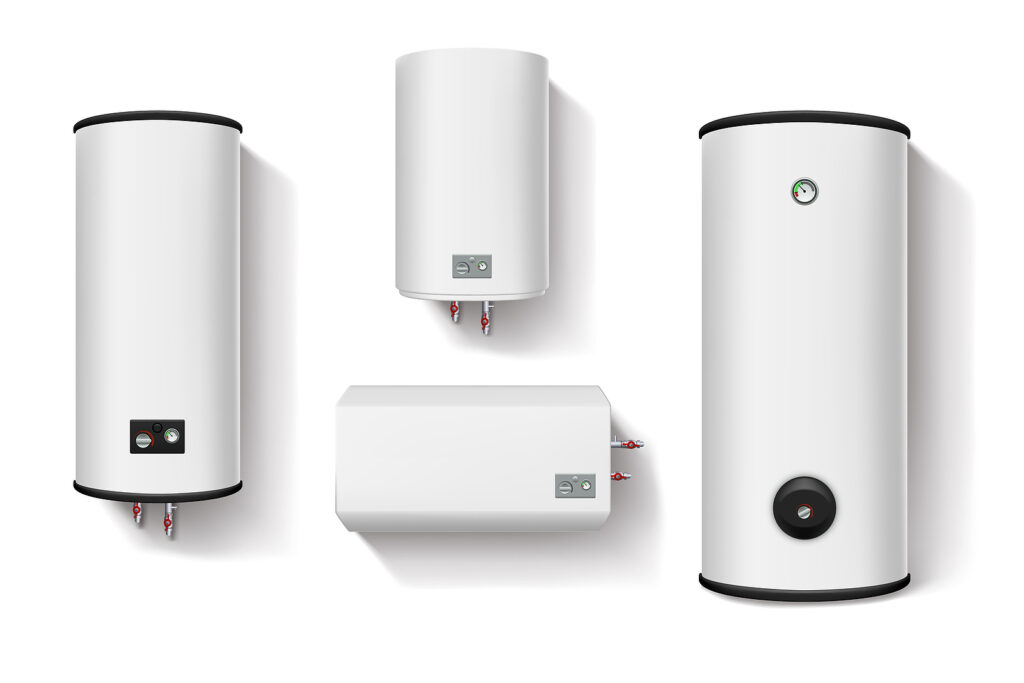
A point-of-use water heater sits next to the fixture it serves, so hot water reaches the tap in seconds instead of after a long wait. Homeowners add one under a bathroom sink, in a converted garage, in an accessory dwelling unit, or at a kitchen sink at the far end of the house. Businesses add one at a hand sink or a utility sink in a back room.
Schedule Point-of-Use Water Heater Service in Downey Today
Our team installs and services point-of-use units across Downey and nearby cities. Call 562-646-1221 or request service online.
What Is a Point-of-Use Water Heater and How Does It Work?
A point-of-use water heater is a small heater installed at or near the fixture it supplies, instead of one large heater in a garage or closet that serves the whole building. The unit heats only the water that one sink, one bathroom, or one small area needs. Cold water enters the unit, a heating element warms it, and hot water leaves through a short line to the faucet.
Technician was Very Supportive, Very Knowledgeable


The wait for hot water adds up. The EPA WaterSense guide to hot water distribution cites studies showing that the average home wastes more than 3,650 gallons of water per year waiting for hot water to arrive at the point of use. The guide also states that distribution losses waste about 10 to 15 percent of the energy a hot water delivery system uses, and its troubleshooting section lists adding water heaters so hot water reaches affected fixtures sooner.
The U.S. Department of Energy adds that every 60 seconds of shower run time equals about three gallons of wasted water. A heater placed a few feet from the fixture shortens that wait and cuts the water that runs down the drain.
Two designs cover almost every installation. A mini-tank stores a small volume of hot water, and an electric tankless unit heats water only while it flows. The right choice depends on the fixture, the space, and the electrical circuit, and we explain both options before work begins.
Types of Point-of-Use Water Heaters We Install
Electric Mini-Tank Water Heaters
A mini-tank holds a small volume of heated water, commonly about 2.5 to 7 gallons, so hot water is ready the moment you open the tap. Many models plug into a standard 120-volt outlet. For example, Westinghouse lists its 2.5 gallon mini-tank at 120 volts, 12 amps, and 1.44 kilowatts, with a plug-in connection and shelf, wall, or floor mounting. The manufacturer describes three roles: the sole source for a single sink, a supplement to a main heater that sits far away, and a buffer installed in line with a tankless heater that delivers intermittent cold water.
Electric Tankless Point-of-Use Water Heaters
A compact tankless unit has no tank and heats water as it flows. Stiebel Eltron designs its Mini tankless line for a single point of use, usually a hand wash or utility sink, and limits flow to between 0.32 and 1.0 gallons per minute, depending on the model. That flow suits handwashing and light sink use. Showers and multiple fixtures need far more heating capacity, and electric models sized for that load need a heavy 240-volt circuit, so we review the electrical service before we recommend one.
Point-of-Use Water Heater Services We Provide in Downey and Surrounding Areas
Each project starts with the fixture, the distance to your main heater, and the electrical circuit nearby. The services below cover the most common point-of-use installations, and each links to related pages with more detail.
Under-Sink Mini-Tank Installation
We mount the heater in the cabinet or on a nearby wall, connect the hot and cold supply lines with shutoff valves, install the relief valve and route its discharge, and plug the unit into a verified outlet. Before we restore power, we fill the tank and purge air at the faucet, because a heating element should not run dry. Our sink repair and replacement and faucet repair and replacement teams handle the fixture side of the project.
Hot Water for Remote Bathrooms and Kitchens
A bathroom or kitchen at the far end of the house can wait a long time for hot water. A point-of-use heater near that fixture shortens the wait and cuts the water that runs down the drain. When several fixtures on the same line wait for hot water, a recirculation system may fit better, and we explain both options. Read our guide to recirculating water heater systems for the comparison. We also handle kitchen plumbing and bathroom remodeling projects that add or move fixtures.
ADUs, Garage Conversions, and Room Additions
Accessory dwelling units, converted garages, workshops, and room additions often sit far from the main heater or start with no hot water supply at all. A point-of-use unit can serve a bathroom sink or a small kitchenette without a long new hot water line. For a full bathroom or kitchen, we recommend a tank water heater or a tankless water heater sized for the whole space, and we run the new supply lines through our water line plumbing service.
Buffer Tanks for Tankless Water Heaters
Some tankless heaters deliver a short burst of cold water between uses. Westinghouse describes its mini-tank as a buffer installed in line with tankless water heaters that experience intermittent cold water. We diagnose the tankless unit first, because a dirty heat exchanger or a low-flow fixture can cause the same symptom, and we add a buffer only when it fits. Our team services Noritz tankless water heaters and other tankless brands.
Point-of-Use Water Heater Repair and Replacement
Mini-tanks and compact tankless units wear out like larger heaters. We diagnose heating element failures, thermostat faults, relief valve leaks, fitting leaks, scale buildup, and tripped or failed controls. When a unit reaches the end of its service life, we explain whether repair or replacement fits and install a matching replacement. For problems with your main heater, see our hot water heater services and read about the signs your water heater needs replacement.
Maintenance, Flushing, and Descaling
Dissolved minerals settle as scale on heating elements and tank walls, and scale reduces heating performance. We flush mini-tanks, descale compact tankless units, inspect the element and the relief valve, check every connection, and test the temperature at the tap. We recommend a yearly visit and follow the manufacturer’s schedule. Our blog explains how to flush a water heater and what happens when you skip it.
Relief Valve, Drain Pan, and Leak Protection
The temperature and pressure relief valve opens if temperature or pressure inside the tank climbs past its limit, so its discharge needs a clear path. We route the discharge according to the manufacturer’s instructions and local code, and under finished cabinets we recommend a drain pan and a leak sensor. Our water leak detection team locates hidden leaks, and our smart water monitoring service watches your plumbing for new ones.
Commercial Point-of-Use Installations
Offices, shops, restaurants, and other businesses add point-of-use heaters at hand sinks, utility sinks, and break rooms that sit far from the main heater. Food facilities follow health department rules for hand sink water, so we confirm the requirement with your inspector before we size a unit. For larger demand, our commercial water heater services cover commercial-capacity systems.
Water Quality and Treatment Compatibility
Some manufacturers restrict how you treat the water that feeds their units. Stiebel Eltron states that its Mini models should not run on water from a salt-regenerated softener, and mini-tank instructions vary by brand. Tell us about your softener or filter when you book, and we read the manual for your model before we connect it. Our water filtration systems covers treatment options.
Code, Strapping, and Permit Requirements for Point-of-Use Water Heaters in Downey
California requires bracing, anchoring, or strapping of water heaters so they resist falling or sliding in an earthquake. Health and Safety Code section 19211 uses the California Plumbing Code, as modified by the local jurisdiction, as the minimum standard, and it applies to standard water heaters of up to 120 gallons for which a pre-engineered strapping kit is readily available. Mini-tanks mount to a wall, shelf, or floor with the manufacturer’s hardware, and we secure each unit as the manufacturer specifies.
The City of Downey publishes a Residential Water Heater guidance sheet that summarizes the California Plumbing Code for gas water heaters in single-family homes. The sheet calls for seismic strapping and bracing, a relief valve with a discharge line, and an expansion tank when a pressure regulator or backflow device makes the water system a closed loop. It does not address point-of-use units, so we confirm with the Building and Safety Division which requirements apply to yours.
Permits follow the work. The City of Downey Building and Safety Division at 11111 Brookshire Avenue takes online permit applications for water heater change-outs and issues permits to California licensed contractors. When your project needs a permit, we pull it, schedule the inspection, and meet the inspector.
Point-of-Use Water Heater Options Compared
This table compares the common ways to bring hot water closer to a fixture. We review your layout before we recommend one.
| Option | Best For | Keep in Mind |
|---|---|---|
| Electric mini-tank (about 2.5 to 7 gallons) | One sink, or two fixtures close together, such as a remote bathroom, a wet bar, or a workshop | Stores a small volume of hot water, and many models plug into a 120-volt outlet |
| Electric tankless point-of-use unit | Handwashing and light use at a single fixture | Stiebel Eltron Mini models limit flow to 0.32 to 1.0 gallons per minute and should not run on salt-regenerated softener water |
| Hot water recirculation system | Several fixtures on one line that all wait for hot water | Moves hot water through the supply line so it waits near every fixture, and the piping layout decides which design fits |
| Tank or tankless heater placed closer to the fixtures | ADUs, additions, and spaces with a full bathroom or kitchen | Handles the whole load; gas models need venting and a gas line, and electric models need a suitable circuit |
Benefits and Limits of Point-of-Use Water Heaters
A point-of-use heater solves one problem well: hot water that takes too long to reach one fixture. Weigh these benefits and limits before you decide.
Benefits
- Shorter wait: Hot water travels a few feet instead of the full length of your pipes.
- Less water down the drain: Less water runs while you wait for heat.
- Easy placement: Electric units need no vent and no gas line, so they fit under a sink, in a cabinet, or on a shelf.
- Help for hard-to-reach fixtures: ADUs, garage conversions, and distant bathrooms get hot water without a long new line.
- A fix for cold bursts: A mini-tank can buffer a tankless heater that delivers intermittent cold water.
Limits
- Small capacity: A mini-tank serves one sink or two close fixtures, and a shower can empty it.
- Electrical load: The 2.5 gallon Westinghouse model lists 12 amps, so the circuit matters.
- Ongoing maintenance: Scale, relief valves, and connections need regular attention.
- Flow limits on tankless units: Compact sink models restrict flow to 0.32 to 1.0 gallons per minute.
- No fix for a failing main heater: An old or undersized main heater needs repair or replacement.
Signs Your Point-of-Use Water Heater Needs Service
These symptoms show where a small heater needs attention. The table lists the usual cause and our response.
| What You Notice | Common Cause | What We Do |
|---|---|---|
| Lukewarm or no hot water | A tripped breaker, a failed heating element, a faulty thermostat, or heavy scale | Test the circuit, the element, and the thermostat, then repair or replace the failed part |
| Water in the cabinet or around the unit | A loose supply connection, a dripping relief valve, or a leaking tank | Find the source, repair the connection or valve, and replace the unit when the tank leaks |
| Rumbling, popping, or ticking sounds | Scale or sediment on the element and the tank floor | Flush the tank, inspect the element, and discuss water treatment when scale returns |
| Rust-colored or cloudy hot water | Corrosion or sediment inside the tank | Inspect the tank and supply lines, and explain whether repair or replacement fits |
| Hot water runs out quickly | A tank too small for the fixture, a failed element, or sediment that takes up tank space | Compare the tank size with the fixture’s demand and test heating performance |
| A breaker or GFCI outlet that keeps tripping | A shared circuit, a failing element, or moisture at the plug or the element | Check the circuit load, the wiring condition, and the element, and advise on a dedicated circuit |
| Cold water between short uses (tankless) | Flow below the unit’s minimum, a clogged aerator, or scale | Clean the aerator, test the flow switch, and descale the unit |
| A relief valve that drips or discharges | Pressure or temperature above the valve’s rating, or a worn valve | Test the valve, check the thermostat setting and the system pressure, and replace the valve when needed |
When the main heater causes the problem, read our guide to common water heater problems and how to troubleshoot them or book a complete plumbing system checkup.
Advantages of Professional Point-of-Use Water Heater Installation
A small heater still combines water, electricity, and heat. Our licensed plumbers size the unit to the fixture, check the outlet and the circuit, install shutoff valves, route the relief valve discharge, and test the result with a thermometer at the tap.
Warranty terms vary by manufacturer, so read yours. A licensed installer who follows the instructions and documents the work keeps your record clean if a warranty question comes up.
The right answer is not always a point-of-use unit. When your main heater is old or undersized, a new tank or tankless heater solves the problem better, and we tell you so. Our guide to choosing the right size water heater for your home explains how sizing works, and our comparison of tankless and tank water heaters covers the main differences.
Our Point-of-Use Water Heater Installation Process
- Schedule the visit. A dispatcher records the fixture, the distance to your main heater, and the symptoms you notice, then books a visit window.
- Assess the location. The technician measures the space, checks the water supply, and reviews the nearest outlet and circuit.
- Recommend the right unit. We compare a mini-tank, an electric tankless unit, and a recirculation system for your fixture, and we explain each option before work begins.
- Confirm code and permit needs. We check strapping, relief valve, and permit requirements with the City of Downey when your project calls for it.
- Install the unit. We mount it, connect the supply lines with shutoff valves, route the relief valve discharge, and fill the tank and purge air before we restore power.
- Test the result. We check for leaks, measure the temperature at the tap, and confirm that the heater cycles correctly.
- Review the care plan. We walk you through the controls, the shutoff valve, and the manufacturer’s maintenance schedule.
Why Choose Downey Plumbing Heating & Air Conditioning for Point-of-Use Water Heaters
| What We Offer | What It Means for You |
|---|---|
| CA License #731172 (CSLB Verified) | Check our license status on the CSLB license lookup before you hire any contractor |
| BBB A+ Accreditation | A third-party rating from the Better Business Bureau, available to review on our BBB profile |
| 850+ Yelp Reviews, 4.8 Stars | Real customer feedback you can read in full on Yelp |
| Serving Southern California Since 1930 | 90+ years of plumbing and HVAC experience in the region |
| Fully Licensed and Insured | General liability and workers’ compensation coverage protect your property and your household |
| 24/7 Emergency Service | Licensed technicians on call at any hour, including weekends and holidays |
| Residential and Commercial | One company for homes, rentals, restaurants, offices, and retail properties |
| Plumbing and HVAC Under One Roof | One call covers water heaters, drains, leaks, air conditioning, and heating |
| Every Water Heater Type | One company installs and services point-of-use, tank, and tankless water heaters, so our recommendation fits your property instead of one product line |
| Plumbing and Circuit Review | We check the supply lines, the outlet, and the circuit load, and we tell you when a licensed electrician needs to add wiring |
| Local Code Knowledge | We confirm strapping, relief valve, and permit rules with the City of Downey instead of guessing |
Review our CSLB license record, our BBB A+ profile, and our 850+ Yelp reviews at any time to confirm what Downey customers read here.
Frequently Asked Questions: Point-of-Use Water Heaters in Downey, CA
What is a point-of-use water heater?
A point-of-use water heater is a small heater installed at or near the fixture it serves, such as a bathroom sink, a kitchen sink, or a utility sink. It heats only the water that fixture needs, so hot water arrives quickly and does not travel the full length of your plumbing. The two common designs are an electric mini-tank that stores a small volume of hot water and a compact electric tankless unit that heats water as it flows.
How does a point-of-use water heater differ from a whole-house water heater?
A whole-house heater serves every fixture from one central location, usually a garage, a closet, or an exterior enclosure. A point-of-use heater serves one fixture or a small group of nearby fixtures, so it handles a much smaller load. Many homes use both: the main heater supplies the house, and a point-of-use unit helps one distant sink or bathroom. When the main heater is old or undersized, replacing it may solve the problem better, and we tell you which path fits.
What is the difference between a mini-tank and a tankless point-of-use water heater?
A mini-tank stores a small volume of heated water, commonly about 2.5 to 7 gallons, and delivers hot water the moment you open the tap until the tank empties. An electric tankless point-of-use unit has no tank and heats water as it flows, which suits steady, low-flow use. Stiebel Eltron designs its Mini tankless models for a single fixture, usually a hand wash or utility sink, with flow limited to between 0.32 and 1.0 gallons per minute depending on the model.
Where do homeowners and businesses install point-of-use water heaters?
Common locations include a bathroom or kitchen far from the main heater, accessory dwelling units, garage conversions, workshops, laundry rooms, wet bars, and room additions. Businesses use them at hand sinks, utility sinks, and break rooms in offices, shops, and restaurants. The best location sits close to the fixture, near an outlet that can carry the load, with room to reach the shutoff valve, the relief valve, and the controls for service.
How much water does a point-of-use water heater keep from going down the drain?
The amount depends on how far the fixture sits from the main heater and how often you run it. The EPA WaterSense guide to hot water distribution cites studies showing that the average home wastes more than 3,650 gallons of water per year waiting for hot water to arrive. The U.S. Department of Energy notes that every 60 seconds of shower run time equals about three gallons. A heater near the fixture shortens the wait.
Will a point-of-use water heater give me hot water right away?
A mini-tank already holds heated water, so hot water flows as soon as you open the tap and lasts until the tank’s supply runs low. An electric tankless unit starts heating when flow begins, so expect a short delay at the start. In both cases the wait shrinks because the heater sits next to the fixture, with only a few feet of pipe between the heater and the faucet.
How many fixtures can one point-of-use water heater serve?
Most point-of-use heaters serve one sink or two fixtures that sit close together. Manufacturers design compact units around a single point of use, and the tank volume or heating capacity sets the limit. When several fixtures need hot water at the same time, such as a full bathroom with a shower, a larger tank or tankless heater closer to the bathroom works better. We count your fixtures and recommend the right size.
What size mini-tank do I need?
Mini-tanks commonly hold about 2.5 to 7 gallons. The right size depends on what the fixture does: a bathroom hand sink needs a small tank, while a kitchen sink used for dishes or a utility sink used for cleaning needs more hot water over a longer period. Tell us the fixture and how long hot water runs in a typical use, and we match the tank size to that demand.
Can a point-of-use water heater supply a shower?
Usually not well. A mini-tank holds only a few gallons, so a shower can use up its supply. Compact tankless sink models, such as the Stiebel Eltron Mini line, limit flow to between 0.32 and 1.0 gallons per minute, well below typical shower flow. Electric tankless models sized for a shower need a heavy 240-volt circuit. For a shower, we usually recommend a tank or tankless heater located closer to the bathroom.
Does a point-of-use water heater need a dedicated circuit or a special outlet?
Many mini-tanks plug into a standard 120-volt outlet, but the load still matters. Westinghouse lists its 2.5 gallon mini-tank at 120 volts and 12 amps, which uses most of a typical 15-amp circuit. We check what else shares the circuit, the condition of the outlet, and the manufacturer’s electrical requirements, and we tell you when the unit needs its own circuit.
Does a point-of-use water heater need venting or a gas line?
The compact units described on this page are electric, so they need no gas line and no vent. That makes placement easy under a sink, inside a cabinet, or on a shelf. Gas water heaters work differently, because they need a gas supply, combustion air, and a vent that carries exhaust outdoors. When your location has no suitable electrical service, tell us, and we review the options.
Does a point-of-use water heater need a relief valve?
Yes. A temperature and pressure relief valve opens when the tank’s temperature or pressure climbs past its limit, and it needs a clear discharge path. Westinghouse includes a relief valve with its 2.5 gallon mini-tank. We install the valve, route the discharge according to the manufacturer’s instructions and local code, and never cap or block it. When a valve drips or discharges, call us so we can find the cause.
Does a mini-tank water heater need seismic strapping in California?
California Health and Safety Code section 19211 requires bracing, anchoring, or strapping of new, replacement, and existing residential water heaters against falling or sliding in an earthquake, with the California Plumbing Code as the minimum standard. The law covers standard heaters of up to 120 gallons that have a preengineered strapping kit readily available. Mini-tanks mount with the manufacturer’s hardware, and we secure each unit as the manufacturer specifies and confirm the requirement with the City.
Do I need a permit to install a point-of-use water heater in Downey?
Permit rules depend on the unit and the work. The City of Downey Building and Safety Division takes water heater change-out permit applications online and issues permits to California licensed contractors. The City’s water heater guidance sheet does not address point-of-use units, so we confirm with the Division whether your installation needs a permit. When it does, we pull the permit and schedule the inspection.
Does a point-of-use water heater need an expansion tank?
It can. The City of Downey’s water heater guidance sheet calls for an expansion tank when a pressure regulator or backflow device makes the water system a closed loop, because heated water expands and needs somewhere to go. Whether a small mini-tank needs one depends on your system and the manufacturer’s instructions. We check for a closed loop at your property and confirm the requirement before installation.
Can I install a point-of-use water heater myself?
A plug-in mini-tank looks simple, but the installation still involves water connections, an electrical load, a relief valve discharge, mounting, and possible permit and strapping rules. The City of Downey issues building permits to California licensed contractors. A licensed plumber handles each step, verifies the outlet and circuit, tests the result, and documents the work, which helps with warranty questions.
How long does a point-of-use water heater last?
Service life depends on the model, the water, the usage, and the maintenance. Manufacturer warranty terms vary, so read yours and keep the installation record. Scale from mineral-rich water and corrosion inside the tank shorten the life of any water heater, and regular flushing and inspection help. When a unit shows leaks, weak heating, or repeated faults, we explain whether repair or replacement fits.
How do I maintain a mini-tank water heater?
Follow the manufacturer’s maintenance schedule. A typical visit flushes the tank to remove sediment, inspects the heating element and the relief valve, checks the connections and the shutoff valve for leaks, and tests the water temperature at the tap. Between visits, look under the sink for moisture and keep the area around the unit clear. Our blog explains how to flush a water heater and what happens when sediment stays in the tank.
Does hard water affect a point-of-use water heater?
Yes. Heating mineral-rich water leaves scale on heating elements and tank walls, which reduces heating performance and can shorten the life of the unit. Flushing a mini-tank and inspecting the element slows that buildup, and compact tankless units also collect scale on their heating parts. A hardness test at your tap shows how much scale to expect, and we can discuss water treatment options with you.
Can I use a point-of-use water heater with a water softener?
Check the manufacturer’s rules first. Stiebel Eltron states that its Mini tankless models should not run on a water supply from a salt-regenerated water softener. Mini-tank instructions vary by brand and model. Tell us about your softener or filter when you book, and we read the manual for the model you choose before we connect it to treated water.
Is a point-of-use water heater better than a recirculation system?
Each solves a different layout. A point-of-use heater serves one fixture from a unit beside it. A recirculation system moves hot water through your supply line so hot water waits near several fixtures. A distant sink or an ADU often suits a point-of-use heater, while a house with several slow fixtures on one line may suit recirculation. Our guide to recirculating water heater systems explains the options, and we assess your piping before we recommend one.
Can a mini-tank fix cold bursts from a tankless water heater?
Sometimes. Westinghouse describes its 2.5 gallon mini-tank as a buffer installed in line with tankless water heaters that experience intermittent cold water. Cold bursts can also come from a dirty heat exchanger, a flow sensor fault, or fixture use that falls below the heater’s minimum flow, so we diagnose the tankless unit first and recommend a buffer only when it fits.
Do point-of-use water heaters work for ADUs and garage conversions?
They often work for a bathroom sink or a small kitchenette, because a short plumbing run keeps the unit close to the fixture. A full bathroom with a shower or a full kitchen usually needs a tank or tankless water heater sized for the whole space. We review the fixtures, the electrical service, and the available space, and we recommend the option that fits the unit you are building.
Do restaurants and offices use point-of-use water heaters?
Yes. Businesses add point-of-use heaters at hand sinks, utility sinks, break rooms, and back-of-house spaces that sit far from the main heater. Food facilities follow health department rules for hand sink water, so we confirm the requirement with your inspector before we size a unit. For larger demand, our commercial water heater team installs and services commercial-capacity systems.
What makes a point-of-use water heater leak?
Common causes include a loose or worn supply connection, a dripping relief valve, a failed gasket, and corrosion in the tank. Shut off the water supply to the unit, turn off its power, and dry the area, then call us. A leak from the tank body usually means the unit needs replacement, while a connection or valve leak often needs only a repair.
Why is my point-of-use water heater not making hot water?
Start with the simple checks. Confirm the unit has power, reset any tripped breaker or GFCI outlet, and make sure the supply valve is open. When the unit still heats poorly, the cause is often a failed heating element, a faulty thermostat, a tripped high-limit control, or heavy scale. Never run an electric mini-tank without water in it. Call us and we diagnose the fault.
Should I replace my main water heater instead of adding a point-of-use unit?
Replace the main heater when it is old, undersized, leaking, or failing, because a point-of-use unit cannot fix those problems. Add a point-of-use unit when the main heater works well and one distant fixture waits too long for hot water. We inspect your main heater, measure the distance to the problem fixture, and explain both options. Our tank and tankless water heater pages cover replacement details.
Which brands of water heaters do you install and service?
We work with major water heater manufacturers, including Stiebel Eltron, A.O. Smith, and Bradford White, and we service units no matter who installed them. Bring the model number if you have it, and the technician confirms the details during the visit. We recommend a model that fits your fixture, your space, and your electrical circuit.
Which Downey neighborhoods and nearby cities do you serve for point-of-use water heaters?
We serve all Downey ZIP codes, 90239 through 90242, and nearby communities including Bellflower, Lakewood, Long Beach, Lynwood, Paramount, Norwalk, South Gate, Santa Fe Springs, Whittier, Cerritos, and Cypress. We also serve many other Los Angeles County and Orange County cities listed on our cities page.
How do I schedule point-of-use water heater service with Downey Plumbing Heating & Air Conditioning?
Call us or use the online request form, and tell the dispatcher which fixture waits for hot water, how far it sits from your main heater, and what kind of unit you have or want. The dispatcher confirms your address and a visit window, and a licensed technician arrives to assess the location, check the circuit, and explain your options.
Local Data: Point-of-Use Water Heaters in Downey
Downey has 34,876 households with an average of 3.15 people each, and owners occupy about 51 percent of homes, according to U.S. Census Bureau QuickFacts. Hot water demand adds up across a household that size, and a distant bathroom or kitchen can wait for hot water many times a day. Roughly half of occupied homes are rentals, and we coordinate access and notices with landlords, tenants, and property managers.
The City of Downey’s water quality report states that the City’s supply is 100 percent groundwater, drawn from 19 wells. Heating water leaves dissolved minerals behind as scale on elements and tank walls, so we recommend a yearly check for any small heater. Check your bill to confirm your water provider.
The Building and Safety Division’s permit and its water heater guidance sheet cover standard residential heaters. Neither one addresses point-of-use units, so we confirm the requirements for your installation with the Division before work begins.
Related Water Heater Services
Point-of-use heaters work best beside the right main heater. Explore our hot water heater services, tank water heater installation, tankless water heater installation, and commercial water heater services. We also service Stiebel Eltron, A.O. Smith, and Bradford White water heaters.
Book Point-of-Use Water Heater Service in Downey Today


