


Warning Signs Your Sump Pump Is Failing Before the Next Heavy Rain Hits
Downey Plumbing Heating & Air Conditioning, licensed by the California State License Board under CA License #731172, BBB A+ Accredited, and rated 4.8 stars across 850+ Yelp reviews, provides sump pump inspection, repair, replacement, and installation throughout Downey and surrounding communities. The pattern our plumbers see with sump pump failures is almost universal: the homeowner had no idea the pump was failing because it ran so rarely during Southern California’s dry summer months, and then the first significant November rain event revealed the failure the hard way, with water already present in the space the pump was supposed to protect.
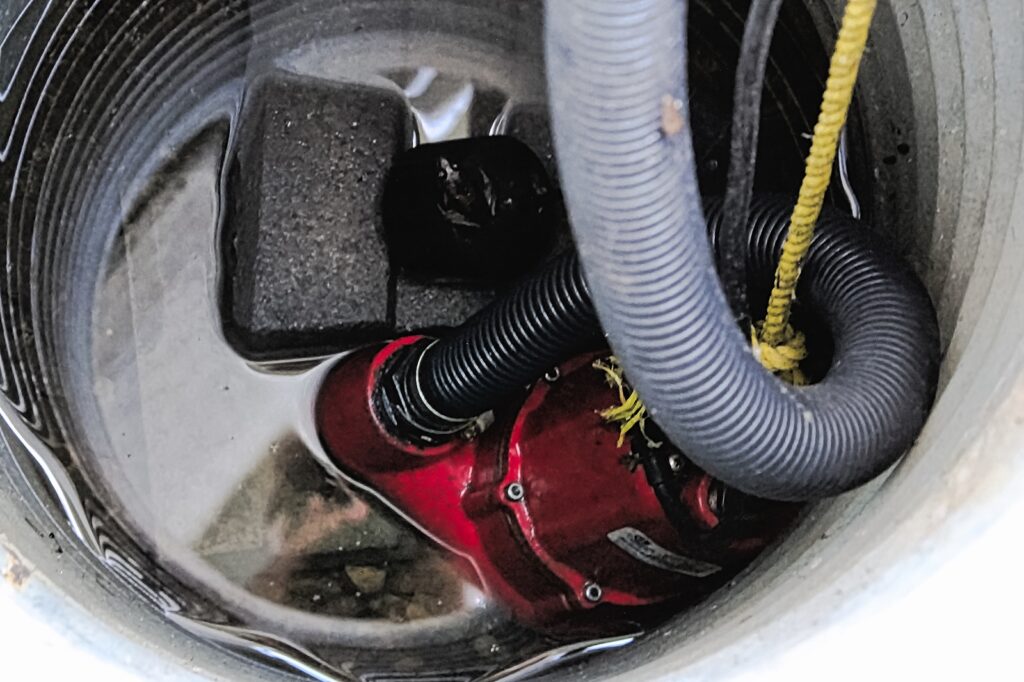
Southern California’s primary rain season runs from November through April, with the highest-intensity atmospheric river events concentrated between November and February. Writing and acting on this post in August or September gives you the time to have your pump inspected and replaced if failing, before any rain tests it. Sump pump failures during heavy rain are almost always preventable. They are prevented by recognizing the eight warning signs that appear in the weeks and months before the failure makes itself obvious.
Call 562-646-1221 or contact us online to schedule a sump pump inspection, repair, or replacement. See our sump pump services for the full list of sump pump installation and repair services available.
Why Sump Pump Failures Are Discovered During Rain Events, Not Before
In a Southern California climate where significant rain events may be separated by five to seven months, a sump pump that fails in March may not be discovered until November. During the dry season, the pit stays dry, the pump sits dormant, and nothing indicates that the float switch has seized or the motor bearings have degraded to the point of failure.
This dormancy pattern is the single largest contributor to the discovered-during-rain failure scenario. Pumps that run frequently develop obvious performance problems, the homeowner hears unusual sounds, observes slow or absent water removal, which prompt service calls. Pumps that sit dormant for months can fail silently. The only way to catch a dormant failure is deliberate pre-season testing.
The 8 Warning Signs That Appear Before Complete Failure
Warning Sign 1: Grinding or Rattling Sounds During Operation
Grinding sounds from a running sump pump indicate bearing wear in the motor assembly. As motor bearings deteriorate, the rotating shaft develops play that creates audible metal-on-metal friction. Rattling sounds indicate loose components, debris in the impeller, or impeller damage. Either sound during operation means the pump is in its final operational period. A pump making grinding or rattling sounds during a functioning test pour warrants immediate replacement before the next rain event.
Warning Sign 2: The Pump Runs Continuously Without Cycling Off
A sump pump that runs without stopping when the pit is not filling with water has a stuck float switch or a failed check valve allowing discharged water to flow back into the pit and immediately restart the pump. Both conditions are mechanical failures that waste electricity and will cause the motor to burn out from overheating without rest cycles. The check valve should prevent backflow from the discharge line. If the pit fills again as soon as the pump shuts off, the check valve is the likely failure point.
Warning Sign 3: The Pump Activates But Water Level Does Not Drop
A pump that runs audibly but does not remove water has an impeller failure or a blocked discharge line. The motor activates and sounds normal, but without a functioning impeller or a clear discharge path, no water moves. This is particularly deceptive because the pump sounds operational. Testing properly means pouring water into the pit and confirming the water level actually decreases, not just that the motor sound is present. If the level does not drop during a test, the pump is not functioning regardless of motor sound.
Warning Sign 4: Visible Rust or Corrosion on the Pump Body or Connections
Sump pits are naturally damp environments, and some surface corrosion on the pump exterior is common. Corrosion at critical connection points, the discharge fitting, the float switch mechanism, or the motor housing is more significant. When rust has reached the motor housing, moisture has penetrated the motor assembly. For pumps over 7 years old showing corrosion at operational components, replacement provides more reliability than continued service.
Warning Sign 5: Age Beyond 7 to 10 Years Without Testing
Residential sump pumps have a typical service life of 7 to 10 years under normal conditions. A pump approaching or past this age range, particularly one that has not been tested in the last one to two years, has statistically significant failure risk. Age alone is not a certain failure indicator, but age combined with Southern California’s dormancy pattern (months between activations) and hard water mineral accumulation in the bearing and float mechanisms makes the probability of undiscovered failure meaningfully high.
Warning Sign 6: Float Mechanism That Sticks, Moves Stiffly, or Does Not Return
During a test pour, watch the float mechanism move as the water level rises and confirm it returns freely to its resting position as the water is pumped down. A float that sticks in the activated position will run the pump continuously without water. A float that sticks in the resting position will not activate the pump even when the pit fills. Scale deposits from LA’s hard water and debris accumulation in the pit are common causes of float mechanism sticking. Cleaning and lubricating the float mechanism during annual maintenance prevents this failure mode.
Warning Sign 7: Foul Odor From the Sump Pit
Stagnant water in the sump pit, organic debris that has accumulated, or biological growth in a pit that has had standing water for extended periods creates an odor in basements and crawlspaces near the pit. While odor does not indicate the pump is mechanically failing, it does indicate the pit environment needs attention. Heavy biological growth in the pit can also clog the pump inlet screen and affect float movement. Annual pit cleaning removes sediment and debris that progressively accumulate even in pits that drain successfully.
Warning Sign 8: Previous Flooding Despite a Running Pump
If a space experienced water intrusion during a previous rain event even though the pump appeared to be running, the pump’s capacity was insufficient for the inflow rate during that event, the discharge line was obstructed, or the pump activated too late due to a slow float switch response. A pump that passed a bucket-of-water test but could not handle actual storm inflow may need either replacement with a higher-capacity unit or the addition of a battery backup pump for extreme event protection.
How to Test Your Sump Pump Before Rainy Season
- Locate the sump pit and remove the cover
- Fill a bucket with 5 to 10 gallons of water and pour it slowly into the pit
- Watch the float rise as the water level rises, confirm it moves freely
- Confirm the pump motor activates when the float reaches the trigger point
- Confirm the water level in the pit decreases as the pump runs, not just that the motor runs
- Confirm the pump shuts off when the water level drops and the float returns to resting position
- Check the discharge line outlet outside the house to confirm water exits
- If any step produces an unexpected result, call for professional service before the first rain event
Why Southern California’s Climate Creates Unique Sump Pump Risk
The Federal Emergency Management Agency identifies flooding as the most common and costly natural disaster in the United States, including in regions with relatively low annual rainfall. Southern California’s rain falls in concentrated seasonal bursts rather than distributed throughout the year, creating drainage system stress during intense events even in low-rainfall years. USGS groundwater data confirms that even short-duration intense precipitation events raise local water tables rapidly in areas with high clay soil content.
The seasonal pattern also means Southern California homeowners are more likely than those in rain-frequent regions to have pumps that run rarely, receive little attention, and accumulate dormancy-related failures between seasons. The seven-month gap between rainy seasons is enough time for significant pump deterioration that goes unnoticed.
| Why Choose Downey Plumbing | What It Means for You |
| CA License #731172 (CSLB) | Verify credentials at cslb.ca.gov, licensed and qualified for every job |
| BBB A+ Accreditation | Highest Better Business Bureau rating, zero unresolved complaints |
| 850+ Yelp Reviews, 4.8 Stars | Real customer quality verification across hundreds of Southern California service calls |
| Serving the Region Since 1930 | 90+ years of local plumbing and HVAC expertise throughout greater Los Angeles |
| Fully Licensed and Insured | General liability and workers compensation protecting your property on every visit |
| 24/7 Emergency Service | Licensed on-call technicians available nights, weekends, and holidays |
Frequently Asked Questions: Sump Pump Warning Signs and Pre-Rain Inspection
How often do sump pumps fail without any obvious warning?
Sump pumps fail silently more often than most homeowners realize because the pump may sit dormant for months between rain events in Southern California’s low-rainfall climate. Without regular testing, a failed pump is not discovered until the pit fills with water during a rainstorm and the pump does not activate. By the time the failure is obvious, water has already entered the space the pump is designed to protect. This is the most preventable sump pump failure scenario, annual pre-season testing identifies non-functioning pumps before the first rain event tests them.
What is the average service life of a residential sump pump?
Residential sump pumps typically last 7 to 10 years under normal conditions, though this varies significantly based on how frequently they run, water quality, and whether they receive any periodic maintenance. Pumps that run very infrequently, as is common in Southern California’s dry climate, may develop mechanical issues from prolonged dormancy: the float mechanism can stick in one position, the motor bearings can seize, and the discharge line can become blocked with debris or mineral deposits. Both frequent and infrequent operation patterns can shorten pump life relative to the average for different reasons.
How can I test my sump pump before the rainy season in Southern California?
Testing a sump pump is straightforward: fill a bucket with five to ten gallons of water and pour it slowly into the sump pit. The float should rise as the water level rises and trigger the pump motor to activate. The pump should activate promptly, begin removing water, and shut off when the water level drops back below the float setpoint. If the pump does not activate, activates but does not move water, or does not shut off, each of these indicates a specific failure requiring professional service. September and early October are the recommended testing window before Southern California’s primary November rain season.
Why do sump pumps fail more often during heavy rain events than during moderate rainfall?
Heavy rain events place sump pumps under their maximum operating conditions simultaneously, high inflow rate, sustained continuous operation for hours rather than minutes, and often in combination with a power outage that accompanies significant storms. A pump with a weakened motor that starts adequately in testing with a bucket of water may fail under sustained hours of continuous operation at full load. A float switch that sticks intermittently but usually self-corrects in testing may stick permanently under sustained vibration from continuous operation. Heavy rain events expose marginal components that pass light testing.
What does a grinding or rattling sound from a sump pump indicate?
Grinding sounds from a sump pump indicate bearing wear in the pump motor. As the motor bearings deteriorate from age and accumulated use, the rotating shaft develops play that creates audible friction against the bearing housing. Continued operation accelerates this wear until the motor seizes. Rattling sounds indicate loose components inside the pump housing, debris in the impeller chamber, or physical damage to the impeller. A rattling impeller creates reduced pumping efficiency in addition to noise. Either sound warrants professional inspection before the next rain event, a pump that makes grinding or rattling sounds during operation is in the final stage before failure.
What causes a sump pump to run continuously without ever shutting off?
Continuous sump pump operation has two primary causes: the float switch is stuck in the activated position when no water is present, or the check valve in the discharge line has failed and is allowing discharged water to flow back into the pit, causing the pump to immediately restart as soon as it shuts off. A stuck float switch is a mechanical component issue that may be caused by scale deposits, debris, or float corrosion. A failed check valve allows the pump to cycle indefinitely while accomplishing nothing, the same water is pumped out and immediately returns. Both conditions waste electricity and will cause premature motor burnout from overheating without rest cycles.
Is visible rust or corrosion on a sump pump a reliable sign that it needs replacement?
Visible rust on the pump housing or discharge connections is a relevant indicator, though the interpretation depends on location and severity. Minor surface corrosion on the exterior pump housing without active leaking may be cosmetic in a damp pit environment. Corrosion at the impeller housing, at the discharge fitting, or on the float switch mechanism is more significant because these are operational components. Internal corrosion that has reached the motor housing indicates the pump’s operating environment has penetrated the motor assembly. For a pump that shows significant corrosion and is over 7 years old, replacement is typically the more reliable choice than cleaning and hoping for another season.
When is the best time of year in Southern California to have a sump pump inspected?
September is the optimal time for sump pump inspection and maintenance in Southern California. The primary rain season runs from November through April, with the highest-intensity atmospheric river events typically occurring between November and February. Inspecting and servicing the pump in September provides time for replacement if the pump is failing before any rain events test it, and allows new pumps to be fully installed and tested before the season begins. Many Southern California homeowners with sump pumps are not aware they are approaching the rain season risk window because the summer months are so dry.
What is a float switch and how does it fail?
The float switch is the mechanism that senses the water level in the sump pit and activates the pump motor when the water rises to the trigger point. The float is a buoyant piece that rises with the water, connected to an electrical switch that closes the pump circuit when the float reaches the activation height. Float switches fail in two ways: they stick in the activated position, causing continuous pump operation even when no water is present, or they stick in the deactivated position, preventing the pump from activating even when water is filling the pit. Scale deposits, physical debris, and corrosion are the common causes of float switch sticking. Annual testing verifies float switch function.
Can a sump pump appear to run but actually fail to remove water?
Yes. A pump motor can activate, make operating sounds, and appear to be working while actually failing to move water effectively. The most common cause is impeller failure, the rotating component that generates the pumping action. A broken, corroded, or debris-blocked impeller allows the motor to spin without creating sufficient suction to move water through the discharge pipe. The other cause is a fully blocked discharge line: if the discharge pipe is blocked with ice in winter, settled debris, or a closed check valve, the motor runs against a closed system without removing water. Testing by pouring water into the pit and confirming actual water level decrease, not just listening for motor sound, is the proper test.
Does Southern California’s dry climate affect sump pump reliability in a specific way?
Southern California’s extended dry season between May and October creates two specific reliability concerns. First, dormant period degradation: motors that sit for months without activation can develop bearing stiction, and float mechanisms in dry pits can develop scale deposits that prevent proper float movement. Second, deferred maintenance: because the pump rarely runs visibly during dry weather, homeowners do not observe any performance issues and often defer inspection for multiple seasons. A pump installed 8 years ago that worked fine during the last notable rain event two years ago may have declined significantly in the interim. Southern California’s climate creates longer intervals between observable tests and longer periods of dormancy that both worsen pump condition.
What is a battery backup sump pump and does every Southern California home with a sump need one?
A battery backup sump pump is a secondary pump powered by a battery system that activates automatically when the primary pump fails or when the power supply is interrupted. Heavy rain events that produce significant flooding are the same events most likely to cause power outages, meaning the scenario when sump pump protection is most critical is also when primary pumps become inoperable without backup power. For homes with finished basements, significant stored property, or foundation conditions that make any flooding intrusive, a battery backup system provides meaningful additional protection. Battery backup units should be tested annually along with the primary pump.
How much water inflow can a standard residential sump pump handle during a heavy Southern California rain event?
Standard residential sump pumps are rated at specific gallons-per-hour removal rates, typically ranging from 1,500 to 3,000 gallons per hour for common residential submersible models. Southern California atmospheric river events can produce rain rates that generate significant groundwater infiltration and surface water intrusion depending on grading and foundation conditions. A pump that is adequately sized for typical rainfall may not keep pace with the inflow from an extreme precipitation event. Homeowners in areas that experienced standing water during prior significant rain seasons should have their pump’s capacity evaluated relative to actual inflow rates observed.
Can a sump pump failure cause foundation damage in addition to water intrusion?
Yes. In properties where the sump pump manages chronic groundwater pressure from a high water table, pump failure allows groundwater to accumulate under and against the foundation rather than being continuously discharged. Sustained hydrostatic pressure from this groundwater can affect foundation wall integrity over time, particularly in older construction. Properties that experience flooding from a failed sump pump may also suffer water damage to foundation-adjacent framing, insulation, flooring, and stored property beyond the immediate water intrusion. Preventing sump pump failure prevents all of these downstream consequences.
How do I know if my sump pit or basin needs cleaning and how does it affect pump performance?
A sump pit that contains significant sediment, sand, gravel, or debris at the bottom can allow these materials to enter the pump’s impeller housing if the float setpoint is set too low or if the pump is mounted directly on the pit bottom. Debris in the impeller reduces pumping efficiency, creates grinding sounds, and can cause rapid impeller wear. Sediment that rises in the pit during a significant rain event can overwhelm the pit and enter the pump. The basin should be inspected and cleared of sediment during annual maintenance, and the pump should be mounted on a brick or small platform to keep the inlet above the sediment level at the pit bottom.
When to Call Downey Plumbing Heating & Air Conditioning
Downey Plumbing Heating & Air Conditioning provides sump pump inspection, testing, repair, and replacement throughout Downey and surrounding communities. If your pump failed its test pour, makes unusual sounds, runs continuously, or has not been tested in more than a year, call 562-646-1221 for professional inspection before November. We also install battery backup sump pump systems for properties where the risk of power outages during heavy rain events warrants a secondary protection layer. Consider scheduling a plumbing system checkup alongside sump pump service to document full plumbing system condition before rain season. Our licensed technicians serve Downey, Bellflower, Norwalk, Paramount, Lynwood, and all surrounding communities.


